Are you accessing this website using an Android phone?
If yes, the stress is over, just click the below button to download and install our Android app and we will hence bring the news to your doorstep.

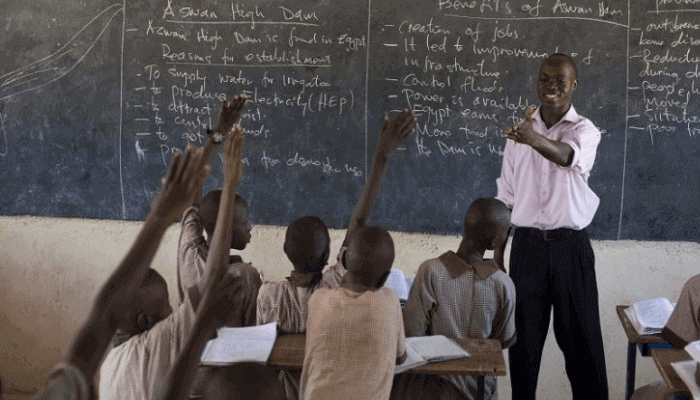
After days of disruption that left thousands of pupils stranded at home, the Nigeria Union of Teachers in the Federal Capital Territory abruptly suspended its strike following a bold ₦5 billion monthly commitment from the FCT Administration. The decision came after intense negotiations and an emergency review meeting, where union leaders acknowledged that the government had finally made concrete moves to address long-standing grievances over salaries, allowances, and career stagnation.
At the heart of the agreement is a structured funding plan designed to tackle the root of the crisis. Authorities approved ₦2 billion monthly from internally generated revenue and an additional ₦3 billion sourced from area council allocations, aimed at settling unpaid entitlements and implementing the contentious 40 percent peculiar allowance for primary school teachers.
But the breakthrough did not come easily. The strike, which began in April 2026, exposed deep cracks in the administration of basic education in the capital—particularly the long-standing dispute over who bears responsibility for paying teachers. While area councils are statutorily responsible, years of delays and inconsistencies forced the FCT Administration to step in directly, even intercepting funds to ensure payments reach teachers.
Behind the scenes, pressure had been mounting. Parents voiced frustration, students fell behind, and education stakeholders warned of long-term damage if the deadlock persisted. Research consistently shows that prolonged teacher strikes can trigger ripple effects, including increased dropout rates and weakened academic performance—making swift resolution not just political, but urgent.
Union leaders, while suspending the strike, made it clear this is a conditional truce, not a surrender. They insisted no teacher should face victimisation for participating in the industrial action and warned that any failure to honour the agreement could spark a fresh shutdown.
For Wike, the move is being framed as decisive leadership—an intervention that restored order and prevented a deeper education crisis in the nation’s capital. For teachers, it is a cautious win after years of unmet promises.
And for Nigeria, it is yet another reminder that beneath every classroom closure lies a bigger battle over funding, governance, and the future of its education system.
Join Our WhatsApp Channel
DEAR READER,
Good journalism costs a lot of money. Yet only good journalism can ensure the possibility of a good society, an accountable democracy, and a transparent government. For continued free access to the best investigative journalism in the country, we ask you to consider making modest support to this noble endeavor. By contributing to The Trumpet News, you are helping to sustain journalism of relevance and ensuring it remains free and available to all. Your donation is voluntary — please decide how much and how often you want to give.
For offline donations, email donations@thetrumpetngr.com or call +2347026891070:
You May Also Like This...