Are you accessing this website using an Android phone?
If yes, the stress is over, just click the below button to download and install our Android app and we will hence bring the news to your doorstep.

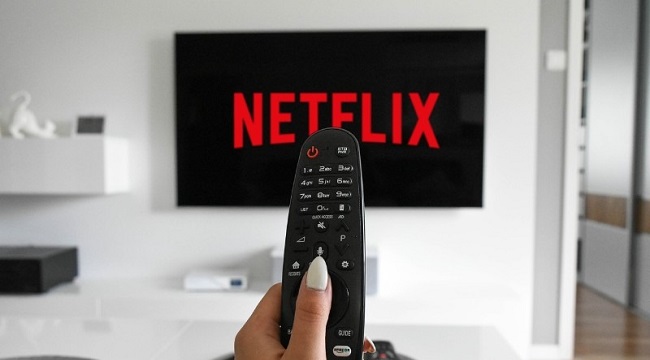
Wall Street is rattled, Silicon Valley is watching closely, and the streaming empire that reshaped global entertainment is suddenly facing a moment of truth. Netflix saw its shares tumble sharply after the shock announcement that co-founder Reed Hastings will exit the company, marking the end of an era that defined modern digital entertainment.
The market reaction was swift and unforgiving. Shares plunged by nearly 10% in a single trading session, wiping billions off the company’s valuation as investors grappled with uncertainty about Netflix’s future without the visionary who built it from a DVD-mail service into a global streaming powerhouse.
Hastings’ departure, set to take effect after he declines re-election at the company’s annual meeting, is being framed as a planned transition rather than a crisis. Having already stepped down as CEO in 2023, he now insists Netflix is strong enough to thrive without him, signaling confidence in the leadership of co-CEOs Ted Sarandos and Greg Peters. Yet investors are not entirely convinced.
The timing has only amplified concerns. Despite reporting solid financials—revenue rising about 16% to over $12 billion and profits beating expectations—Netflix issued a subdued forecast for upcoming quarters, sparking fears that its explosive growth era may be slowing. Analysts warn that the company is entering a more challenging phase, where subscriber growth is harder to sustain and competition from rivals like Disney, Amazon, and Apple continues to intensify.
Behind the scenes, Netflix is scrambling to redefine its next chapter. The company is aggressively expanding into advertising, live events, gaming, and even video podcasts in a bid to unlock new revenue streams. Advertising alone is projected to generate billions in the coming years, but skepticism remains about whether these strategies can offset slowing subscription growth.
Adding to the uncertainty is Netflix’s recent strategic setback—the collapse of a massive deal to acquire Warner Bros. Discovery, a move that could have reshaped the entertainment landscape. The failed bid not only dented investor confidence but also raised questions about the company’s long-term expansion strategy.
Hastings’ legacy, however, is undeniable. From pioneering streaming technology to popularizing binge-watching culture and producing global hits, he transformed how the world consumes content. Under his leadership, Netflix grew from a niche service into a dominant platform with hundreds of millions of subscribers worldwide.
Now, as the curtain begins to fall on his nearly three-decade reign, Netflix finds itself at a crossroads. The company remains profitable and influential, but the path ahead is far less certain. Investors are no longer asking whether Netflix can lead the streaming revolution—it already did. The real question is whether it can reinvent itself fast enough to stay on top in a rapidly evolving entertainment war.
For a company built on disruption, the greatest challenge may now be surviving its own success.
Join Our WhatsApp Channel
DEAR READER,
Good journalism costs a lot of money. Yet only good journalism can ensure the possibility of a good society, an accountable democracy, and a transparent government. For continued free access to the best investigative journalism in the country, we ask you to consider making modest support to this noble endeavor. By contributing to The Trumpet News, you are helping to sustain journalism of relevance and ensuring it remains free and available to all. Your donation is voluntary — please decide how much and how often you want to give.
For offline donations, email donations@thetrumpetngr.com or call +2347026891070:
You May Also Like This...