Are you accessing this website using an Android phone?
If yes, the stress is over, just click the below button to download and install our Android app and we will hence bring the news to your doorstep.

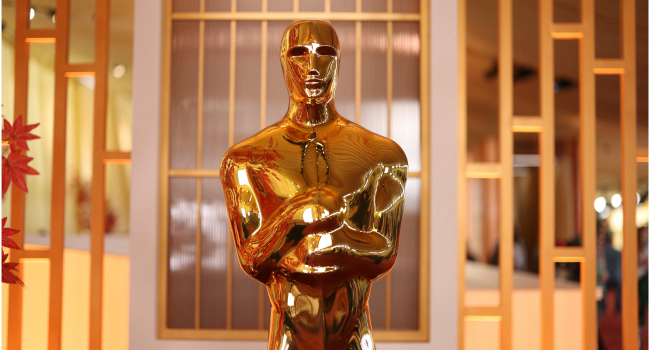
In a move that has sent shockwaves through the global film industry, the Academy Awards—the glittering crown jewel of Hollywood—are officially packing their bags and walking away from Hollywood Boulevard.
After more than two decades at the iconic Dolby Theatre, the Oscars will relocate in 2029 to the Peacock Theater at the sprawling L.A. Live complex in downtown Los Angeles, marking the end of an era that many believed would last forever.
The transition won’t happen overnight. The Academy has confirmed that the Dolby Theatre will still host the ceremony through the historic 100th edition in 2028—a symbolic farewell to a venue that has defined Oscar night since 2002. But come 2029, the red carpet will be rolled out in a new home, ushering in what insiders are calling a bold reinvention of the world’s most prestigious film awards.
Behind the scenes, the shift is powered by a long-term partnership between the Academy of Motion Picture Arts and Sciences and entertainment giant AEG, operators of L.A. Live. The deal will see the Oscars hosted at the Peacock Theater from the 101st ceremony through 2039, backed by major upgrades in stage design, lighting, and production technology aimed at delivering a more immersive global spectacle.
But this is more than just a change of address—it’s a complete transformation of how the Oscars will be experienced worldwide.
In a stunning break from tradition, the ceremony will also leave conventional television behind, ending its long-standing relationship with ABC and moving to YouTube starting in 2029. The shift signals a strategic pivot toward digital audiences and global accessibility, as the Academy races to stay relevant in an era where streaming dominates and younger viewers are abandoning traditional broadcasts.
Industry insiders say the move to L.A. Live offers practical advantages too. Unlike the tightly packed Hollywood Boulevard, the downtown complex provides a larger, more flexible space capable of handling massive crowds, elaborate staging, and expansive red-carpet experiences. The Peacock Theater itself boasts significantly higher seating capacity and will undergo extensive enhancements to match the grandeur expected of Oscar night.
Still, the emotional weight of the decision cannot be ignored. Hollywood has long been synonymous with the Oscars, its Walk of Fame and historic landmarks forming the backdrop of cinema’s biggest celebration. Walking away from that legacy feels, to some, like Hollywood losing a piece of its soul.
Yet history suggests reinvention is nothing new for the Academy. The Oscars have shifted venues multiple times since their first ceremony in 1929, evolving alongside the film industry itself. What makes this moment different is the scale of change—new location, new platform, and a new vision for the future of entertainment.
As the countdown to 2029 begins, one thing is certain: the Oscars are no longer just leaving Hollywood—they are rewriting their own script.
Join Our WhatsApp Channel
DEAR READER,
Good journalism costs a lot of money. Yet only good journalism can ensure the possibility of a good society, an accountable democracy, and a transparent government. For continued free access to the best investigative journalism in the country, we ask you to consider making modest support to this noble endeavor. By contributing to The Trumpet News, you are helping to sustain journalism of relevance and ensuring it remains free and available to all. Your donation is voluntary — please decide how much and how often you want to give.
For offline donations, email donations@thetrumpetngr.com or call +2347026891070:
You May Also Like This...