Are you accessing this website using an Android phone?
If yes, the stress is over, just click the below button to download and install our Android app and we will hence bring the news to your doorstep.

Nasarawa community clashes have erupted again in a deadly wave of violence that has left at least 11 people dead and more than 50 houses reduced to ashes, throwing residents into panic and forcing many to flee their homes in fear.
The fresh bloodshed occurred in the early hours of Friday in the Akyawa and Udege Kasa communities in Nasarawa Local Government Area, where long-standing tensions suddenly escalated into a violent confrontation. According to police authorities, the attack was carried out by suspected hoodlums in what appears to be a reprisal mission following the alleged killing of two individuals linked to one of the communities.
Eyewitness accounts describe a horrifying scene as attackers stormed the communities at dawn, unleashing violence that left bodies scattered and homes engulfed in flames. Reports confirm that about 50 houses were burnt in Akyawa alone, while additional buildings were destroyed in Udege Kasa, leaving families homeless and entire neighborhoods devastated.
Nasarawa community clashes are not new, but residents say the scale and frequency of recent attacks are becoming unbearable. Many locals insist that this latest assault may not be an isolated incident, as there are growing suspicions that armed groups, possibly bandits or militias, have been moving around nearby communities days before the violence erupted.
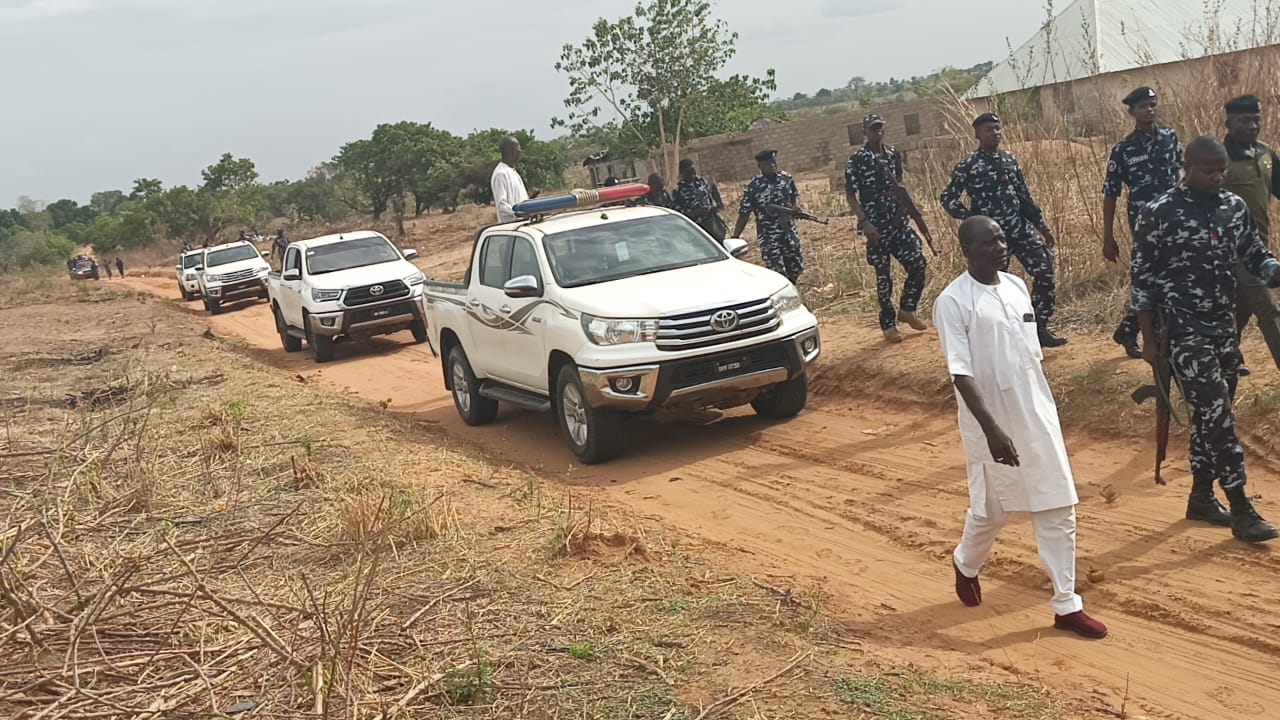
Security officials, however, have maintained that the attack was triggered by a chain of retaliatory killings. The Police Public Relations Officer in the state confirmed that the violence was a reprisal, adding that the Commissioner of Police, Shetima Jauro Mohammed, has already visited the affected communities to assess the situation and reassure residents.
During the visit, authorities expressed deep sorrow over the killings and destruction, promising that justice would be served. The police have since launched an intensive manhunt for those responsible, deploying tactical units and collaborating with the military and the Nigeria Security and Civil Defence Corps to restore order and prevent further escalation.
Despite these assurances, fear continues to grip the affected areas. Residents say they are now living in constant anxiety, unsure of when the next attack may occur. Some community members revealed that this incident came barely 48 hours after a similar attack in a nearby settlement, raising serious concerns about the effectiveness of security measures in the region.
“We are no longer safe. They come at will, destroy our homes, and disappear without consequence,” one resident lamented, capturing the frustration and helplessness felt by many in the community.
Nasarawa community clashes are part of a broader pattern of recurring violence in Nigeria’s Middle Belt region, where disputes over land, resources, and ethnic tensions often escalate into deadly conflicts. Over the years, these clashes have been further complicated by the presence of armed groups, weak local security structures, and delayed response from authorities.
Security experts warn that unless proactive measures are taken, such conflicts could intensify, especially as farming activities resume with the onset of the planting season. The destruction of homes, farmlands, and livelihoods not only deepens humanitarian crises but also threatens food production and economic stability in affected areas.
For now, authorities insist that calm has been restored, with increased security presence in the communities. A stakeholders’ meeting has also been held to encourage dialogue and prevent further violence. However, many residents remain skeptical, arguing that similar promises have been made in the past without lasting solutions.
As Nasarawa community clashes continue to dominate national conversations, the latest tragedy serves as yet another grim reminder of Nigeria’s persistent security challenges — and the urgent need for decisive, long-term interventions to protect lives and restore peace in vulnerable communities.
Join Our WhatsApp Channel
DEAR READER,
Good journalism costs a lot of money. Yet only good journalism can ensure the possibility of a good society, an accountable democracy, and a transparent government. For continued free access to the best investigative journalism in the country, we ask you to consider making modest support to this noble endeavor. By contributing to The Trumpet News, you are helping to sustain journalism of relevance and ensuring it remains free and available to all. Your donation is voluntary — please decide how much and how often you want to give.
For offline donations, email donations@thetrumpetngr.com or call +2347026891070:
You May Also Like This...