Are you accessing this website using an Android phone?
If yes, the stress is over, just click the below button to download and install our Android app and we will hence bring the news to your doorstep.

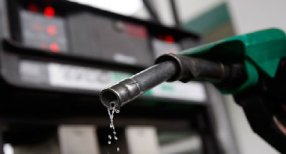
The price of petrol in the United States has blasted past the $4-per-gallon mark for the first time in years, and the ripple effects are shaking economies far beyond American borders. What began as a geopolitical flashpoint has rapidly spiraled into a full-blown energy shock—one that is squeezing households, rattling markets, and raising fears of a wider economic storm.
At the heart of the chaos lies the ongoing war involving Iran, which has choked one of the world’s most critical النفط arteries—the Strait of Hormuz. This narrow passage alone carries roughly 20% of global oil shipments, and its disruption has sent shockwaves through international supply chains.
As tankers stall and routes are blocked, crude prices have surged beyond $100 per barrel, dragging fuel costs along with them. In the U.S., average gasoline prices have jumped more than 36% since the conflict erupted in late February, pushing drivers into unfamiliar and uncomfortable territory. Diesel prices have climbed even higher, intensifying pressure on transportation, logistics, and food supply systems.
But this is no American problem alone. Across Europe and Asia, economies are feeling the heat. Fuel shortages are emerging in some regions, industries are cutting back production, and governments are scrambling to shield citizens from rising living costs. In countries heavily dependent on imports, the crisis is already biting hard, with some resorting to rationing and emergency measures.
The economic warning lights are flashing brighter by the day. The International Monetary Fund has cautioned that the conflict could drive global inflation higher while slowing economic growth, creating a dangerous combination for already fragile economies. Fertilizer prices—crucial for global food production—are also expected to surge, threatening food security in vulnerable regions.
Back in the U.S., the surge in fuel prices is fast becoming a political and economic headache. Consumers are cutting back spending as energy costs eat deeper into household budgets, and confidence is beginning to slip. Analysts warn that even if the conflict eases soon, the damage to supply chains could take months to repair—meaning relief at the pump may not come quickly.
Efforts to cushion the blow—such as releasing emergency oil reserves and easing shipping restrictions—have offered only limited relief so far. The global oil market remains tightly wound, and any further escalation could push prices even higher.
Behind the numbers lies a stark reality: energy has once again become the frontline of global conflict. From oil fields and refineries to shipping lanes and supply chains, the war’s impact is being felt in everyday life—at petrol stations, grocery stores, and beyond.
And if history is any guide, the worst may not yet be over.
Join Our WhatsApp Channel
DEAR READER,
Good journalism costs a lot of money. Yet only good journalism can ensure the possibility of a good society, an accountable democracy, and a transparent government. For continued free access to the best investigative journalism in the country, we ask you to consider making modest support to this noble endeavor. By contributing to The Trumpet News, you are helping to sustain journalism of relevance and ensuring it remains free and available to all. Your donation is voluntary — please decide how much and how often you want to give.
For offline donations, email donations@thetrumpetngr.com or call +2347026891070:
You May Also Like This...