Are you accessing this website using an Android phone?
If yes, the stress is over, just click the below button to download and install our Android app and we will hence bring the news to your doorstep.

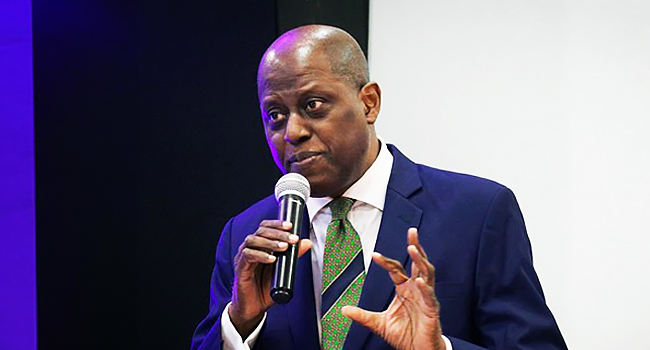
The Governor of the Central Bank of Nigeria (CBN), Olayemi Cardoso, has raised fresh concerns over growing financial vulnerabilities across Africa, warning that weak coordination among regulators could expose the continent to serious cross-border risks as banking systems become increasingly interconnected.
Speaking at the 4th Annual IMF/AFRITAC West 2 High-Level Executive Forum held in Abuja, Cardoso stressed that the rapid expansion of African banks beyond national borders has created a new layer of financial exposure that no single country can effectively manage alone. He declared that collaboration among regulators is no longer optional but a necessity to safeguard financial stability and protect economies across the continent.
The CBN governor noted that Africa’s financial integration is advancing faster than political and regulatory coordination, a gap he described as dangerous in an era of rising global economic shocks, digital financial flows, and cross-border banking operations. According to him, regulators must urgently adopt harmonised supervisory frameworks and shared prudential standards that reflect Africa’s unique economic realities while allowing countries to respond collectively to emerging threats.
Cardoso pointed out that Nigeria has already taken proactive steps to strengthen its financial system, citing the ongoing banking sector recapitalisation programme launched in 2024 to boost resilience and investor confidence. He revealed that Nigerian banks have attracted trillions of naira in fresh capital, with a significant portion coming from foreign investors, even as they continue expanding operations across African markets.
In a decisive shift from past practices, the apex bank has also tightened regulatory oversight, enforcing stricter corporate governance rules and introducing tough sanctions against defaulters. Cardoso emphasised a zero-tolerance stance on infractions, including restricting banking services for chronic debtors, a move aimed at strengthening credit discipline and protecting depositors.
Beyond Nigeria, the CBN boss linked the issue of cross-border risks to broader continental ambitions, including financial integration, digital payment systems, and intra-African trade under the African Continental Free Trade Area (AfCFTA). Analysts say that as more African banks operate across multiple jurisdictions and digital transactions increase, the risk of contagion from one country’s financial crisis spreading to others has become significantly higher.
Recent engagements by Cardoso across global and regional platforms have consistently pushed for deeper cooperation among African central banks and financial institutions. He has also advocated coordinated reforms in digital payments and financial regulation, warning that emerging technologies, while beneficial, could introduce new systemic risks if not jointly managed.
Experts note that Africa’s financial sector is at a critical turning point, where stronger regulatory unity could unlock investment, boost confidence, and drive sustainable growth, while failure to act may expose economies to shocks similar to past global financial crises.
With Nigeria playing a leading role in shaping the continent’s financial architecture, Cardoso’s warning signals a growing urgency for African nations to move beyond fragmented oversight and embrace a unified regulatory front capable of protecting the future of the continent’s economy.
Join Our WhatsApp Channel
DEAR READER,
Good journalism costs a lot of money. Yet only good journalism can ensure the possibility of a good society, an accountable democracy, and a transparent government. For continued free access to the best investigative journalism in the country, we ask you to consider making modest support to this noble endeavor. By contributing to The Trumpet News, you are helping to sustain journalism of relevance and ensuring it remains free and available to all. Your donation is voluntary — please decide how much and how often you want to give.
For offline donations, email donations@thetrumpetngr.com or call +2347026891070:
You May Also Like This...