Are you accessing this website using an Android phone?
If yes, the stress is over, just click the below button to download and install our Android app and we will hence bring the news to your doorstep.

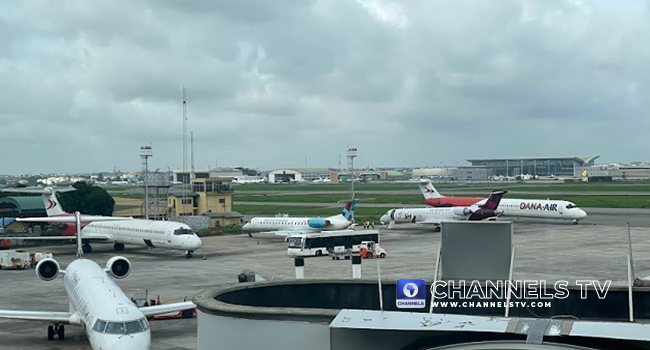
Nigeria’s aviation sector is teetering on the edge of disruption as the Federal Government scrambles to stop what could become a nationwide shutdown of flights, urgently pleading with airline operators to shelve plans for fare hikes and suspend any move to ground operations.
In a strongly worded appeal, Aviation Minister Festus Keyamo called for calm amid mounting tension triggered by a staggering surge in the cost of Jet A1 fuel. The minister acknowledged the crushing financial pressure facing domestic carriers but warned that increasing ticket prices at this moment would only deepen hardship for ordinary Nigerians already grappling with rising living costs.
Behind the scenes, the situation is far more explosive. Airline operators, under the umbrella of the Airline Operators of Nigeria, have sounded the alarm that the industry is being pushed to the brink. With aviation fuel prices skyrocketing from about ₦900 per litre in late February to over ₦3,300—a nearly 300% jump—operators insist their revenues can no longer cover even the cost of fuel alone.
The warning is not empty. Carriers have already threatened to suspend all domestic flights within days if nothing changes, a move that could paralyse travel, disrupt businesses, and send shockwaves across the economy. The Federal Government, clearly rattled by the potential fallout, has rushed to convene an emergency stakeholders’ meeting aimed at finding an urgent and lasting solution.
Keyamo did not mince words about the consequences of a shutdown. He cautioned that halting flight operations would cripple mobility, damage public confidence, and reverse the gains of ongoing reforms in the aviation sector. More critically, it could ripple through the economy—affecting jobs, logistics, and even national security.
Yet, the airlines are equally resolute. Industry insiders argue that the crisis is being fueled by what they describe as “astronomical and artificial” pricing of aviation fuel, far outpacing global crude oil trends. In some cases, operators say they are flying at a loss just to keep the system running, a situation they insist is no longer sustainable.
Adding to the tension, global pressures on fuel supply have compounded the crisis. Recent developments in the international energy market have driven up aviation fuel costs worldwide, but Nigeria’s situation appears especially severe due to supply bottlenecks and distribution challenges.
The standoff now places both the government and airline operators in a delicate balancing act—protecting passengers from skyrocketing fares while preventing a total collapse of domestic air travel. For millions of Nigerians who rely on flights for business and mobility, the coming days could determine whether the skies remain open or fall silent.
As negotiations intensify and deadlines draw closer, one reality is clear: Nigeria’s aviation sector is facing one of its most critical tests in years, and the outcome could reshape the future of air travel in the country.
Join Our WhatsApp Channel
DEAR READER,
Good journalism costs a lot of money. Yet only good journalism can ensure the possibility of a good society, an accountable democracy, and a transparent government. For continued free access to the best investigative journalism in the country, we ask you to consider making modest support to this noble endeavor. By contributing to The Trumpet News, you are helping to sustain journalism of relevance and ensuring it remains free and available to all. Your donation is voluntary — please decide how much and how often you want to give.
For offline donations, email donations@thetrumpetngr.com or call +2347026891070:
You May Also Like This...