Are you accessing this website using an Android phone?
If yes, the stress is over, just click the below button to download and install our Android app and we will hence bring the news to your doorstep.

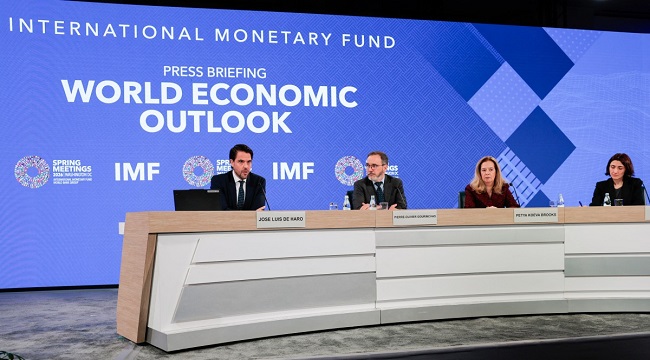
Nigeria’s fragile fiscal calm may be short-lived as the International Monetary Fund (IMF) sounds a fresh warning: the nation’s debt burden is set to rise again, reversing recent gains and raising new questions about long-term stability.
According to the IMF’s latest projections, Nigeria’s debt-to-GDP ratio is expected to climb to 33.1% by 2027, a notable uptick that comes just as the country attempts to steady its economic footing amid sweeping reforms and global uncertainty.
The projection follows fresh borrowing plans by President Bola Ahmed Tinubu, who has asked lawmakers to approve about $6 billion in external loans—a move aimed at plugging budget gaps and funding critical infrastructure, but one that adds pressure to an already strained fiscal framework.
This looming rise marks a shift in trajectory. Not long ago, projections suggested Nigeria’s debt ratio would gradually decline to around 35% by 2026, reflecting tighter fiscal discipline and reform momentum. Now, the IMF’s updated outlook signals that borrowing pressures are far from over.
Behind the numbers lies a deeper story: Nigeria is walking a tightrope between reform-driven recovery and mounting financial obligations. The government’s bold moves—removal of fuel subsidies, currency liberalisation, and tax reforms—have begun to reshape the economy, but they come with short-term pain, including inflation spikes and rising living costs.
At the same time, there are glimmers of hope. Increased oil production—recently hitting around 1.8 million barrels per day—is boosting revenue and giving the government some fiscal breathing room. Economic growth is also expected to strengthen, with the IMF projecting Nigeria’s GDP could expand to about 4.3% by 2027, suggesting resilience despite headwinds.
Yet the global backdrop complicates everything. The IMF has warned that rising geopolitical tensions, particularly conflicts affecting energy markets, could push borrowing costs higher worldwide and deepen debt vulnerabilities. Global public debt is already nearing historic highs and could exceed 100% of GDP by 2029, amplifying risks for emerging economies like Nigeria.
For Nigeria, the challenge is not just how much it borrows—but how effectively it uses those funds. Experts have long argued that the country’s real vulnerability lies in its low revenue base, meaning even moderate debt levels can strain public finances. Without stronger revenue generation and disciplined spending, the rising debt trajectory could tighten fiscal space and limit the government’s ability to respond to future shocks.
In simple terms, Nigeria isn’t drowning in debt—yet. But the tide is rising again, and the margin for error is shrinking.
As reforms continue and new loans stack up, the question becomes unavoidable: will this borrowing fuel sustainable growth—or quietly deepen the cracks beneath Africa’s largest economy?
Join Our WhatsApp Channel
DEAR READER,
Good journalism costs a lot of money. Yet only good journalism can ensure the possibility of a good society, an accountable democracy, and a transparent government. For continued free access to the best investigative journalism in the country, we ask you to consider making modest support to this noble endeavor. By contributing to The Trumpet News, you are helping to sustain journalism of relevance and ensuring it remains free and available to all. Your donation is voluntary — please decide how much and how often you want to give.
For offline donations, email donations@thetrumpetngr.com or call +2347026891070:
You May Also Like This...