Are you accessing this website using an Android phone?
If yes, the stress is over, just click the below button to download and install our Android app and we will hence bring the news to your doorstep.

Nigeria is riding a fresh wave of optimism as rising crude oil production begins to open up much-needed financial breathing room, even as the country pushes through some of its toughest economic reforms in decades.
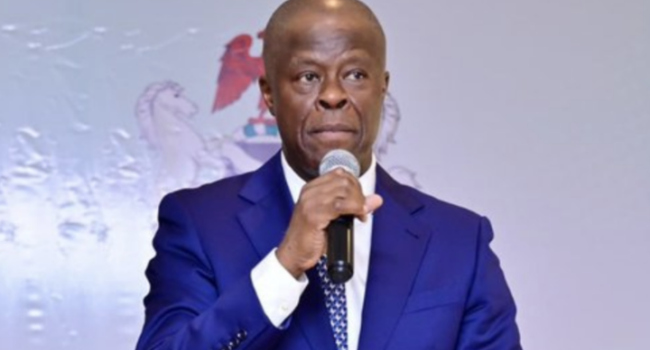
Minister of Finance, Wale Edun, revealed that increased oil output is strengthening government revenues, boosting foreign exchange inflows, and giving authorities what he described as “extra fiscal space” to support struggling Nigerians.
After years of instability in the oil sector, production has climbed to about 1.8 million barrels per day—an encouraging rebound for an economy heavily dependent on crude exports. This surge is not just about numbers; it is translating into real financial leverage for a government navigating inflation, currency pressures, and a heavy debt burden.
But the Tinubu administration is drawing a firm line: no return to the era of blanket fuel subsidies. Instead, any relief measures will be tightly targeted at vulnerable households, signaling a shift toward more disciplined fiscal management.
Behind this cautious optimism lies a broader reform agenda led by President Bola Tinubu. Since 2023, the government has scrapped fuel subsidies, unified exchange rates, and overhauled tax systems—moves praised by global financial institutions but felt painfully by citizens through rising living costs.
Still, the oil windfall is helping cushion the blow. Officials say improved supply from the massive Dangote refinery has stabilized fuel availability nationwide, preventing the kind of shortages that once crippled economic activity.
Yet, the road ahead remains uncertain. Global tensions, particularly the ongoing Middle East crisis, are pushing oil prices higher—ironically boosting Nigeria’s earnings while simultaneously fueling inflation at home. Petrol prices have surged, transport costs are climbing, and businesses continue to struggle under high operating expenses.
Economic indicators tell a mixed story. Growth is hovering around 4%, supported partly by oil gains, but inflation remains stubborn, and debt servicing continues to eat deep into government revenues. Nigeria’s fiscal framework still leans heavily on oil, making diversification an urgent but unfinished task.
Even so, the government insists it is staying the course. Edun has reiterated that reforms will not be reversed, arguing that the current strategy—combining higher oil output with structural changes—is the best path to long-term stability.
For millions of Nigerians, the big question is whether this oil-driven fiscal relief will translate into real improvements in daily life—or remain another chapter in the country’s long struggle to turn natural wealth into widespread prosperity.
Join Our WhatsApp Channel
DEAR READER,
Good journalism costs a lot of money. Yet only good journalism can ensure the possibility of a good society, an accountable democracy, and a transparent government. For continued free access to the best investigative journalism in the country, we ask you to consider making modest support to this noble endeavor. By contributing to The Trumpet News, you are helping to sustain journalism of relevance and ensuring it remains free and available to all. Your donation is voluntary — please decide how much and how often you want to give.
For offline donations, email donations@thetrumpetngr.com or call +2347026891070:
You May Also Like This...