Are you accessing this website using an Android phone?
If yes, the stress is over, just click the below button to download and install our Android app and we will hence bring the news to your doorstep.

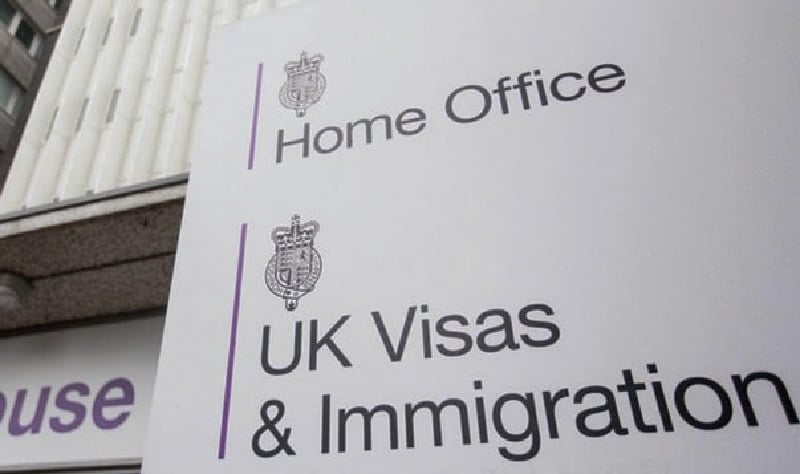
Nigerians planning to travel, study, or relocate to the United Kingdom are now facing a fresh financial reality as new visa fees take effect from April 2026, significantly increasing the cost of migration and citizenship processes.
The updated UK visa fees for Nigerians reflect a broader policy shift by the UK government to raise immigration-related charges across multiple categories, including visitor visas, study permits, work routes, and citizenship applications. Reports indicate that most of these fees have increased by approximately 6–7%, placing additional financial pressure on applicants already grappling with currency fluctuations and high exchange rates. (The Economic Times)
At the entry level, the standard six-month visitor visa—commonly used by Nigerians for tourism or short visits—has seen an upward adjustment, now costing around £135, up from previous rates near £127. (VisasNews) Long-term visitor visas have also climbed, with the two-year visa now costing about £475, the five-year visa £848, and the ten-year visa exceeding £1,000. (GOV.UK)
For many Nigerians, the real impact is felt when these fees are converted into naira. With exchange rates fluctuating, a six-month visa can cost between ₦240,000 and ₦260,000, while long-term visas can run into millions of naira. (VAC – Obtain Visa with ease) This makes international travel increasingly inaccessible for middle-income earners.
Students are not spared from the hike. The UK student visa now costs over £520, with applicants also required to pay the Immigration Health Surcharge (IHS), which stands at about £776 per year. (GOV.UK) For a typical one-year postgraduate course, this pushes total costs well beyond £1,200—excluding tuition and living expenses.
Even more striking are the costs associated with family migration and settlement. A UK spouse visa now costs approximately £1,900, while the mandatory health surcharge can exceed £3,000, bringing the total to well over ₦3 million depending on exchange rates. (Migrate – UK Partner Visa Lawyers)
Citizenship is also becoming more expensive. The fee for naturalisation as a British citizen has risen to over £1,600, reflecting the UK government’s continued tightening of immigration pathways. (GOV.UK)
Beyond application fees, applicants must also budget for additional costs such as biometric enrolment, priority processing services, and visa centre charges. For example, premium services like priority processing can cost up to £500, while super-priority services may reach £1,000. (GOV.UK)
These increases come at a time when demand for UK visas among Nigerians remains high, driven by opportunities in education, employment, and better living standards. However, the rising costs are now reshaping migration decisions, forcing many to reconsider or delay their plans.
Immigration experts warn that the financial burden goes beyond just application fees. Applicants must also demonstrate proof of funds, accommodation, and financial stability—requirements that have become even more challenging due to Nigeria’s economic conditions and currency depreciation.
The UK government, on its part, maintains that the fee increases are necessary to fund the immigration system and reduce reliance on taxpayers. However, critics argue that the rising costs risk excluding genuine applicants and limiting access to opportunities.
For many Nigerians, the message is clear: migrating to the UK is no longer just a dream—it is now a high-stakes financial commitment that requires careful planning, strategic decision-making, and significant resources.
As the new fee regime takes hold, the question remains whether the benefits of moving to the UK will continue to outweigh the rising costs—or if the door is gradually closing for thousands of aspiring migrants.
Join Our WhatsApp Channel
DEAR READER,
Good journalism costs a lot of money. Yet only good journalism can ensure the possibility of a good society, an accountable democracy, and a transparent government. For continued free access to the best investigative journalism in the country, we ask you to consider making modest support to this noble endeavor. By contributing to The Trumpet News, you are helping to sustain journalism of relevance and ensuring it remains free and available to all. Your donation is voluntary — please decide how much and how often you want to give.
For offline donations, email donations@thetrumpetngr.com or call +2347026891070:
You May Also Like This...