Are you accessing this website using an Android phone?
If yes, the stress is over, just click the below button to download and install our Android app and we will hence bring the news to your doorstep.

The phrase Iran war latest now defines one of the most dangerous global flashpoints, as fresh strikes, political brinkmanship, and failed diplomacy continue to push the Middle East toward deeper chaos.
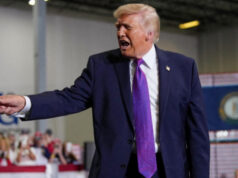
On day 28 of the war, tensions between Iran, Israel, and the United States have intensified dramatically, with no clear path to peace. While former U.S. President Donald Trump insists negotiations are “going very well,” the reality on the ground tells a different—and far more volatile—story.
According to the latest developments, the United Nations has strongly condemned recent U.S.-Israeli strikes on Iran, describing some of the attacks as “reckless beyond comprehension,” particularly those that reportedly killed civilians, including children in a school strike. (Sky News) This has triggered renewed global outrage and intensified scrutiny of the military campaign.
At the same time, Trump has extended a pause on direct strikes against Iran’s energy infrastructure, claiming Tehran requested the move as part of ongoing negotiations. However, mediators have disputed that claim, exposing a widening credibility gap between Washington’s narrative and reality. (Sky News)
Behind the scenes, the situation is escalating fast. The Pentagon is reportedly considering deploying up to 10,000 additional troops to the region, a move that signals preparation for a prolonged and possibly expanded conflict. (Sky News) This aligns with broader reports that the U.S. is weighing more aggressive strategies, including targeting critical Iranian assets such as oil export hubs like Kharg Island—an action that could cripple Iran’s economy but also trigger fierce retaliation. (Reuters)
Meanwhile, Israel has intensified its offensive, launching heavy strikes deep into Tehran and other strategic locations, claiming to have hit the “heart” of Iran’s military infrastructure. (Sky News) Iran, in response, has unleashed waves of missiles and drones across the region, targeting Israeli cities and U.S. military bases, with some attacks causing casualties and widespread destruction. (New York Post)
The scale of the war is staggering. Since the conflict began in late February 2026 following coordinated U.S.-Israeli strikes, thousands have been killed, critical infrastructure has been destroyed, and global energy markets have been thrown into turmoil. (The Times) Oil supply disruptions—particularly around the strategic Strait of Hormuz—have sent shockwaves through economies worldwide, raising fears of a broader economic crisis. (The Times)
Diplomatic efforts, while ongoing, remain fragile and deeply contested. The United States has presented a sweeping peace proposal demanding that Iran dismantle its nuclear programme, limit missile capabilities, and cut ties with regional allies. Iran, however, has pushed back with its own conditions, including reparations, security guarantees, and full control over its strategic interests. (Sky News)
Despite Trump’s repeated claims that Iran is eager to strike a deal, Tehran has publicly rejected that narrative, insisting it will decide when—and if—the war ends. (Sky News) This contradiction highlights a fundamental breakdown in trust that continues to stall meaningful progress.
Adding another layer of complexity is the growing concern among U.S. allies. Many fear that Iran, under mounting pressure, could escalate further by targeting regional partners or disrupting global shipping routes. (The Washington Post) The closure and militarisation of key waterways have already demonstrated Tehran’s ability to exert global leverage.
Even within Israel, there are signs of strain. Military officials have acknowledged shortages of troops needed to sustain operations across multiple fronts, underscoring the intensity and scale of the conflict. (Sky News)
What makes this crisis particularly alarming is the combination of high-stakes military action and uncertain diplomacy. While Trump continues to project confidence—framing the war as a strategic success—critics argue that the situation is far from under control, with risks of regional spillover increasing by the day.
The global community now watches closely as events unfold. With missiles still flying, troops mobilising, and negotiations hanging by a thread, the Iran war latest developments point to a conflict that is not only far from over—but potentially entering an even more dangerous phase.
Join Our WhatsApp Channel
DEAR READER,
Good journalism costs a lot of money. Yet only good journalism can ensure the possibility of a good society, an accountable democracy, and a transparent government. For continued free access to the best investigative journalism in the country, we ask you to consider making modest support to this noble endeavor. By contributing to The Trumpet News, you are helping to sustain journalism of relevance and ensuring it remains free and available to all. Your donation is voluntary — please decide how much and how often you want to give.
For offline donations, email donations@thetrumpetngr.com or call +2347026891070:
You May Also Like This...