Are you accessing this website using an Android phone?
If yes, the stress is over, just click the below button to download and install our Android app and we will hence bring the news to your doorstep.

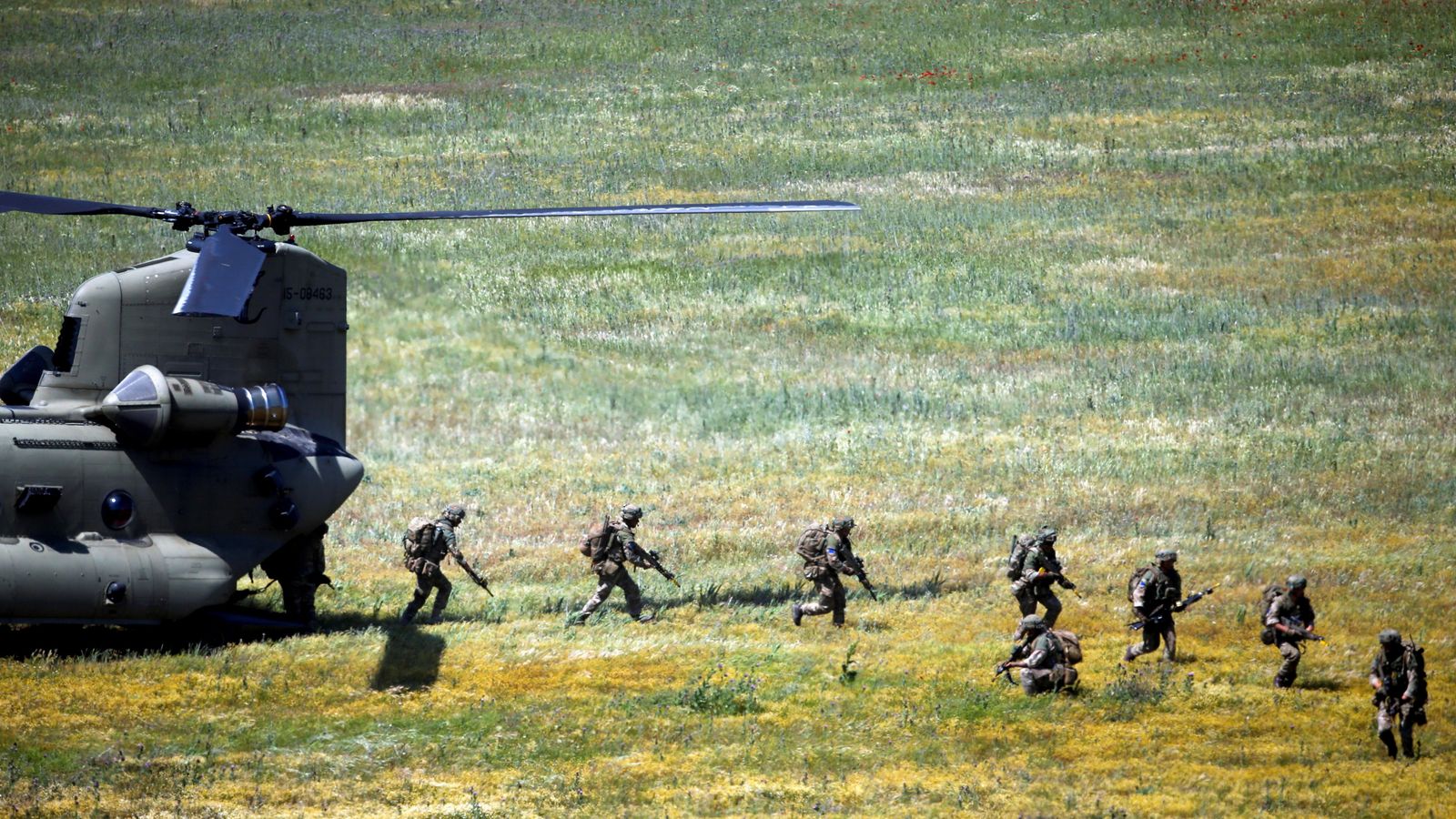
The phrase UK defend Europe without US is no longer a distant geopolitical theory—it is now a real and urgent warning echoing from the heart of Westminster. British lawmakers have sounded the alarm that the United Kingdom and its NATO allies must begin preparing for a future where the United States may not step in to defend Europe during a major conflict.
This stark message comes from a cross-party group of MPs and peers under the Joint Committee on the National Security Strategy, who argue that the long-standing reliance on American military power can no longer be taken for granted. For decades, NATO’s strength has rested heavily on the assumption of US leadership. Today, that assumption is being fundamentally challenged.
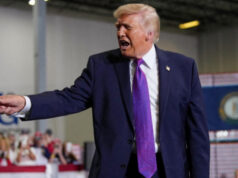
At the center of this shift is growing uncertainty around the foreign policy direction of Donald Trump. His recent rhetoric has raised eyebrows across Europe, with repeated criticisms of NATO allies and suggestions that the United States could scale back its commitments. Trump has openly questioned the value of the alliance, insisting that Europe must take greater responsibility for its own defence.
For the UK, this presents a complex and potentially dangerous scenario. Britain’s defence architecture is deeply integrated with the United States, from intelligence-sharing networks to advanced weapons systems and nuclear deterrence capabilities. The UK’s Trident nuclear system, for instance, depends heavily on US technical support, making any sudden shift in relations a strategic vulnerability.
The parliamentary report stresses that the UK must urgently reassess these dependencies. It calls for increased investment in domestic defence capabilities and stronger collaboration with European partners to build a more self-reliant security framework. This includes enhancing cyber defence, expanding military readiness, and reducing reliance on US-controlled technology.
Within NATO, the conversation is already evolving. European nations have begun ramping up defence spending, signaling a broader recognition that the continent must be prepared to stand on its own if necessary. Countries like Germany, France, and Poland are increasing military budgets and investing in modern warfare capabilities, from missile defence systems to rapid deployment forces.
However, transitioning to a Europe-led defence model is far from straightforward. The United States still provides critical assets that Europe cannot easily replicate in the short term. These include satellite intelligence, strategic airlift capacity, advanced surveillance systems, and global military reach. Without these, NATO’s operational effectiveness would be significantly reduced.
The urgency of the situation is being amplified by rising global tensions, particularly in the Middle East and Eastern Europe. Conflicts involving Iran and ongoing instability in Ukraine have exposed cracks within the alliance, with differing views among member states on how to respond. These divisions further highlight the need for a more cohesive and independent European defence strategy.
Prime Minister Keir Starmer faces mounting pressure to address these concerns head-on. Strengthening the UK’s military capabilities while maintaining diplomatic ties with the US will require a delicate balancing act. At the same time, there is a growing expectation that Britain will play a leading role in shaping Europe’s new security architecture.
Beyond military considerations, the implications of this shift extend into economic and political spheres. Defence spending increases will place additional strain on national budgets, while the reconfiguration of alliances could redefine global power dynamics. The UK must now navigate a rapidly changing landscape where old certainties no longer apply.
What makes this moment particularly significant is the speed at which these discussions have moved from theory to urgency. Just a few years ago, the idea that Europe might need to defend itself without US support would have been dismissed as unlikely. Today, it is being treated as a necessary contingency.
The message from UK lawmakers is clear and uncompromising: prepare for the worst while hoping for the best. The era of unquestioned reliance on the United States is fading, and a new chapter in European defence is beginning to take shape.
If that future becomes reality, the ability of the UK and its allies to adapt quickly will determine not just the stability of Europe, but the balance of power across the world.
Join Our WhatsApp Channel
DEAR READER,
Good journalism costs a lot of money. Yet only good journalism can ensure the possibility of a good society, an accountable democracy, and a transparent government. For continued free access to the best investigative journalism in the country, we ask you to consider making modest support to this noble endeavor. By contributing to The Trumpet News, you are helping to sustain journalism of relevance and ensuring it remains free and available to all. Your donation is voluntary — please decide how much and how often you want to give.
For offline donations, email donations@thetrumpetngr.com or call +2347026891070:
You May Also Like This...