Are you accessing this website using an Android phone?
If yes, the stress is over, just click the below button to download and install our Android app and we will hence bring the news to your doorstep.

Nigeria’s struggling primary healthcare system may just be getting a much-needed shot in the arm as the Federal Government has approved the disbursement of over ₦32 billion to primary health centres across the country, a move officials say could redefine service delivery at the grassroots.
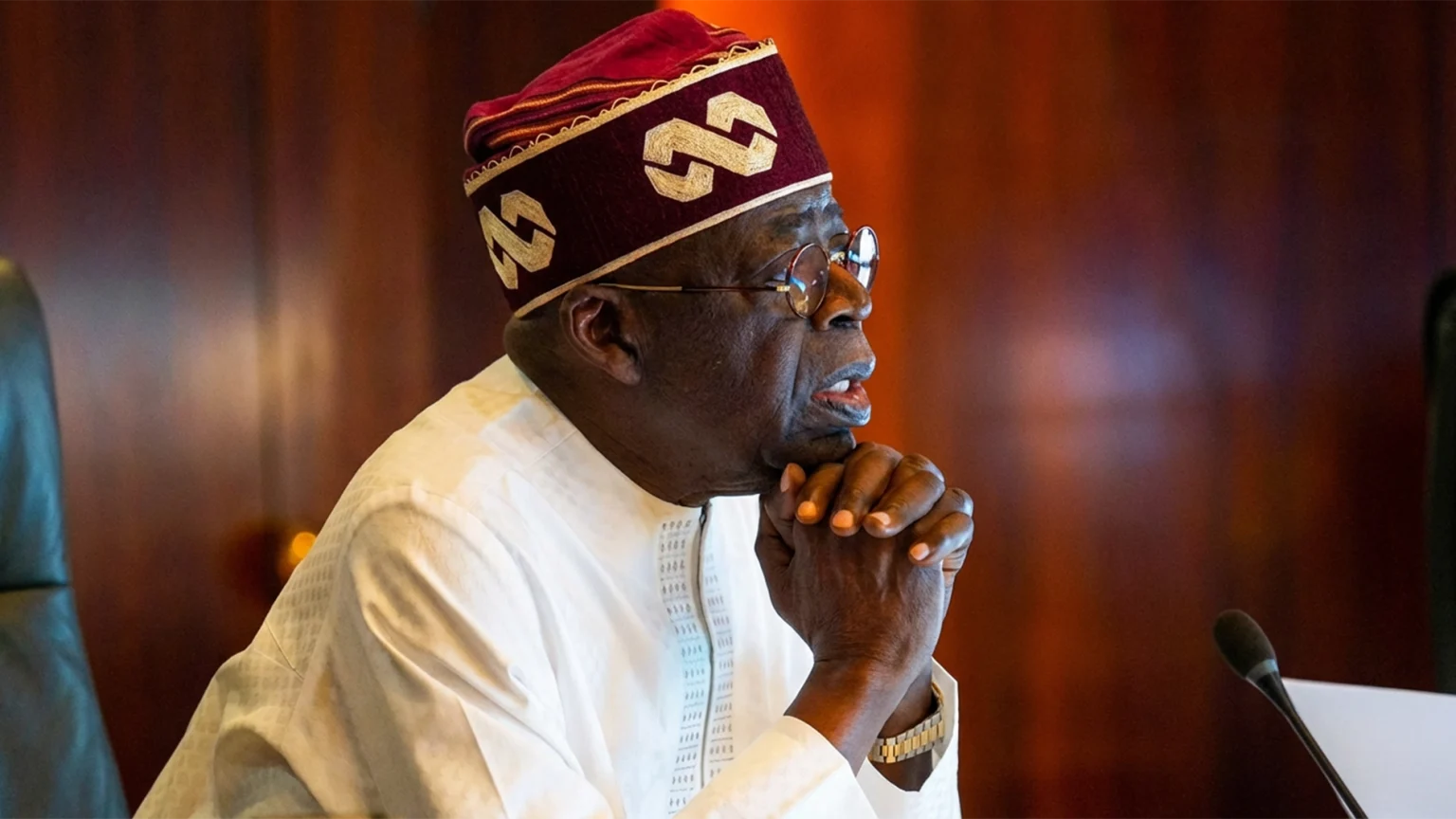
The funding, released under the Basic Health Care Provision Fund (BHCPF), comes as part of President Bola Tinubu’s broader health sector renewal drive, with authorities insisting the money is already reaching facilities and translating into measurable impact. Coordinating Minister of Health and Social Welfare, Prof. Muhammad Ali Pate, revealed that the decision followed a high-level review of progress across the nation’s fragile health system, where issues like low utilisation, maternal deaths, and weak infrastructure have long persisted.
Beyond just releasing funds, the government is pushing an aggressive expansion plan that will see an additional 5,000 primary healthcare centres plugged directly into financing streams, a shift designed to bypass bottlenecks and ensure resources hit the frontlines where they are needed most.
The intervention is already showing signs of impact. Over 40,000 Nigerian women have reportedly benefited from free emergency obstetric services, a policy widely credited with saving lives and reducing the financial burden on families. At the same time, more than 4,000 women have accessed free fistula treatment, restoring dignity and health to thousands who would otherwise remain neglected.
But the government’s ambitions stretch far beyond maternal care. Officials disclosed that Nigeria recorded more than 200 disease outbreaks within a year—many of which never made headlines because they were swiftly contained through improved surveillance and rapid response systems. This underscores a quiet but critical strengthening of the country’s disease control architecture, even as threats like Lassa fever and seasonal epidemics continue to loom.
In one of the largest public health campaigns ever undertaken in Africa, over 102 million children were reached during a nationwide measles and rubella immunisation drive—an unprecedented scale that signals a growing capacity to deliver mass healthcare interventions.
The BHCPF itself, backed by at least one percent of Nigeria’s consolidated revenue alongside donor and private sector contributions, remains central to the government’s push for universal health coverage. Designed to deliver a basic minimum package of health services, the fund is now being reinforced with stricter accountability measures and stronger civil society oversight to ensure transparency and value for money at the facility level.
Health experts say the real test, however, will lie in consistent implementation. While repeated disbursements—such as similar approvals in previous quarters—highlight continuity in policy, Nigeria’s healthcare system has long battled issues of leakages, poor monitoring, and uneven state-level execution.
For millions of Nigerians who rely on underfunded primary health centres as their first—and often only—point of care, this ₦32 billion injection could mean the difference between life and death. Whether it becomes another headline or a genuine turning point will depend on how effectively the funds are deployed where it matters most: the communities.
Join Our WhatsApp Channel
DEAR READER,
Good journalism costs a lot of money. Yet only good journalism can ensure the possibility of a good society, an accountable democracy, and a transparent government. For continued free access to the best investigative journalism in the country, we ask you to consider making modest support to this noble endeavor. By contributing to The Trumpet News, you are helping to sustain journalism of relevance and ensuring it remains free and available to all. Your donation is voluntary — please decide how much and how often you want to give.
For offline donations, email donations@thetrumpetngr.com or call +2347026891070:
You May Also Like This...