Are you accessing this website using an Android phone?
If yes, the stress is over, just click the below button to download and install our Android app and we will hence bring the news to your doorstep.

By The Trumpet News Nigeria
The Philippine government has declared a state of national energy emergency following escalating disruptions in global oil supply caused by the intensifying Middle East conflict.
President Ferdinand Marcos Jr. approved the emergency measure amid fears of a looming fuel shortage, rising oil prices, and widespread economic strain linked to the ongoing war involving major global powers in the Gulf region.
Energy Supply Under Threat
The declaration comes as global energy markets reel from instability, with supply chains severely affected and crude oil prices surging. The Philippines, which relies heavily on imported petroleum, now faces mounting pressure to secure sufficient fuel for domestic consumption.
Authorities disclosed that the country currently holds about 45 days of fuel reserves, prompting urgent efforts to procure additional oil supplies to prevent shortages.
To cushion the impact, the government has moved to fast-track fuel importation and may allow advance payments to ensure steady supply.
Airlines, Transport Sector at Risk
In a worrying development, President Marcos warned that flight operations could be disrupted, with the possibility of grounding planes due to jet fuel shortages becoming “a distinct possibility.”
The crisis has already affected international aviation, as several countries reportedly struggle to supply fuel to airlines. Carriers are now being forced to carry extra fuel for return journeys, increasing operational costs and risks.
Crisis Committee Activated
As part of emergency measures, the Philippine government has set up a special crisis management committee tasked with overseeing the distribution of critical resources, including fuel, food, and medicine.
The committee will also monitor the broader economic fallout, particularly the impact on inflation, transport costs, and the national currency.
Public Anger Mounts
The situation has sparked growing discontent among citizens, with transport operators and consumer groups planning protests over rising fuel prices and the cost of living.
Critics have also faulted the government’s response, describing it as slow and lacking coordination, even as the crisis deepens.
Global Ripple Effects
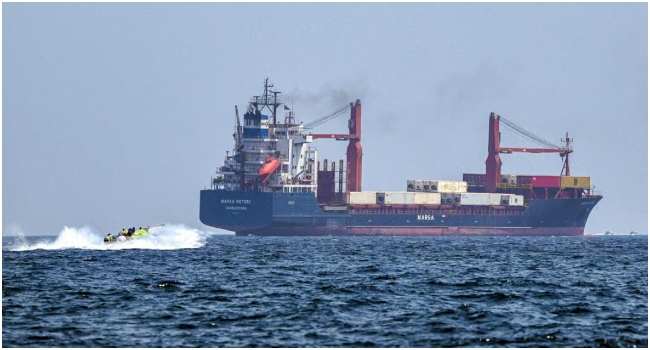
The emergency declaration underscores the far-reaching consequences of the Middle East conflict, which has disrupted oil flows through key routes like the Strait of Hormuz — a critical artery for global energy supply.
Countries across Asia and beyond are now scrambling to protect their economies from the shock, as oil prices climb and fears of a prolonged crisis intensify.
What It Means for Nigeria
For Nigeria, Africa’s largest oil producer, the crisis presents a mixed reality. While higher oil prices could boost government revenues, it may also trigger higher fuel costs domestically, especially given the country’s dependence on refined petroleum imports.
Economic analysts warn that sustained global instability could further strain inflation and energy affordability in developing economies like Nigeria.
Bottom Line:
The Philippines’ emergency declaration highlights a growing global energy crisis that could have ripple effects across economies, including Nigeria. As the Middle East war drags on, the world may be heading toward a prolonged period of fuel scarcity, rising costs, and economic uncertainty.
Join Our WhatsApp Channel
DEAR READER,
Good journalism costs a lot of money. Yet only good journalism can ensure the possibility of a good society, an accountable democracy, and a transparent government. For continued free access to the best investigative journalism in the country, we ask you to consider making modest support to this noble endeavor. By contributing to The Trumpet News, you are helping to sustain journalism of relevance and ensuring it remains free and available to all. Your donation is voluntary — please decide how much and how often you want to give.
For offline donations, email donations@thetrumpetngr.com or call +2347026891070:
You May Also Like This...