Are you accessing this website using an Android phone?
If yes, the stress is over, just click the below button to download and install our Android app and we will hence bring the news to your doorstep.

By The Trumpet News Nigeria
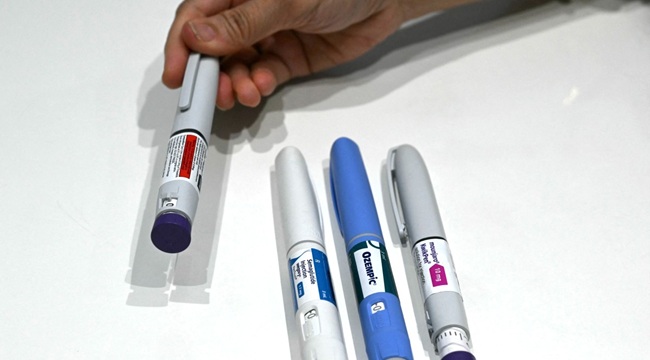
India’s health authorities have issued a strong warning over the growing risk of misuse linked to newly available low-cost weight-loss injections, following a surge in demand and the entry of cheaper generic drugs into the market.
The warning comes after the expiration of the patent for semaglutide — the active ingredient in globally popular weight-loss and diabetes drugs such as Ozempic and Wegovy — which has opened the door for dozens of pharmaceutical companies to introduce more affordable alternatives.
Crackdown on Illegal Sales and Misuse
India’s Central Drugs Standard Control Organisation (CDSCO) has intensified nationwide surveillance, targeting unauthorised sales, improper prescriptions, and misleading marketing practices associated with the drugs.
Regulators confirmed that inspections have already been carried out across pharmacies, wholesalers, and slimming clinics, with several defaulting entities issued notices for violating drug safety rules.
Authorities warn that the increasing availability of these injections — in some cases up to 70 per cent cheaper than branded versions — could encourage unsupervised use, especially among individuals seeking rapid weight loss without proper medical guidance.
Health Risks From Unsupervised Use
Medical experts caution that while these drugs are effective for managing obesity and diabetes, they are not lifestyle products and must be administered strictly under professional supervision.
According to regulators, misuse or self-medication could lead to “serious adverse effects and related health risks,” particularly when taken without proper diagnosis or dosage control.
Concerns have also been raised over a growing trend of using the injections for cosmetic weight loss rather than legitimate medical needs, a practice experts say could escalate into a wider public health issue.
Surge in Demand Fuels Regulatory Action
The global popularity of GLP-1 drugs — originally developed to treat diabetes — has driven massive demand for their off-label use as weight-loss solutions.
With over 40 pharmaceutical firms expected to roll out more than 50 generic brands in India, the market is projected to expand significantly in the coming years, raising fears of an overcrowded and poorly regulated space.
This rapid expansion has also created confusion among prescribers and increased the likelihood of inappropriate use, prompting authorities to tighten control measures.
Ban on Advertising and Misleading Promotions
In a related move, Indian regulators have warned pharmaceutical companies against direct or indirect advertising of weight-loss drugs, including so-called “awareness campaigns” that may subtly promote their use.
Officials stressed that prescription medications must not be marketed like consumer products, warning that exaggerated claims or guaranteed weight-loss promises could mislead the public and attract sanctions.
Implications for Nigeria and Global Health
The developments in India highlight a growing global concern over the misuse of weight-loss injections, especially as cheaper versions become widely accessible in emerging markets.
For Nigeria and other developing countries, health experts say the situation underscores the need for stricter drug regulation, public awareness, and professional medical oversight to prevent abuse and safeguard public health.
As demand for quick weight-loss solutions rises worldwide, regulators are increasingly emphasising that sustainable weight management still depends on proper medical care, diet, and lifestyle changes — not just pharmaceutical intervention.
Join Our WhatsApp Channel
DEAR READER,
Good journalism costs a lot of money. Yet only good journalism can ensure the possibility of a good society, an accountable democracy, and a transparent government. For continued free access to the best investigative journalism in the country, we ask you to consider making modest support to this noble endeavor. By contributing to The Trumpet News, you are helping to sustain journalism of relevance and ensuring it remains free and available to all. Your donation is voluntary — please decide how much and how often you want to give.
For offline donations, email donations@thetrumpetngr.com or call +2347026891070:
You May Also Like This...