Are you accessing this website using an Android phone?
If yes, the stress is over, just click the below button to download and install our Android app and we will hence bring the news to your doorstep.

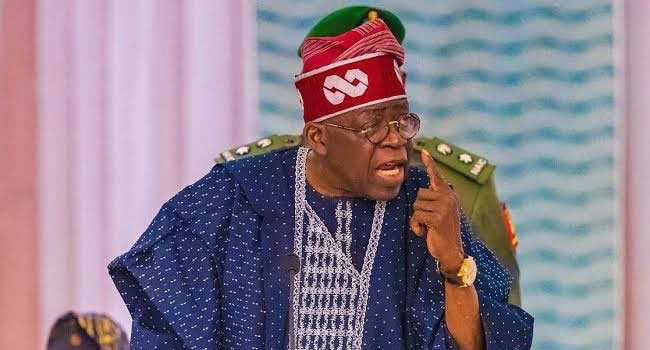
President Bola Ahmed Tinubu has once again raised his voice in outrage as fresh bloodshed rocks Plateau and Kaduna states, condemning the brutal killings and vowing that those behind the carnage “will not go unpunished.” The strong words come amid a growing storm of insecurity that continues to haunt Nigeria’s northern region, where communities are increasingly trapped in cycles of violence, fear, and unanswered questions.
In his reaction to the latest attacks, the president described the killings as unacceptable and deeply troubling, directing security agencies to move swiftly, hunt down the perpetrators, and ensure justice is served. His message was clear: Nigeria cannot afford to normalize such violence, and those responsible must face the full weight of the law. This mirrors his repeated stance in past incidents, where he has consistently ordered crackdowns and demanded arrests following deadly attacks on civilians.
But beyond the presidential condemnation lies a grim and familiar pattern. Plateau and Kaduna have long been flashpoints of deadly clashes—ranging from communal violence to terrorist-style attacks—leaving trails of destruction and mass casualties. In recent years, entire communities have been wiped out, travellers ambushed, and families torn apart in what many observers describe as a deepening national security crisis.
The latest killings are not isolated. Across northern Nigeria, violence has surged in multiple forms—banditry, insurgency, and ethnic or religious clashes—stretching security forces thin and exposing vulnerabilities in intelligence and response systems. Earlier in 2026, one of the deadliest massacres in recent history unfolded in Kwara State, where over 160 people were slaughtered by armed militants in a single coordinated हमला, underscoring how rapidly the threat is spreading beyond traditional conflict zones.
International observers and rights groups have also raised alarm, warning that repeated condemnations are no longer enough. Amnesty International, among others, has criticized the government’s response, arguing that persistent killings in states like Plateau and Kaduna point to systemic failures in protecting citizens.
Meanwhile, analysts say the violence is evolving. Armed groups are expanding their reach, exploiting weak security coverage and local tensions, while communities increasingly feel abandoned and forced to rely on self-help or informal protection arrangements. Recent military operations, including new deployments and security initiatives, signal that authorities are attempting to respond—but critics argue the measures are reactive rather than preventive.
For many Nigerians, the president’s vow of justice offers a glimmer of hope—but also a sense of déjà vu. Similar promises have followed previous massacres, yet arrests are often slow, prosecutions rare, and victims left without closure. The haunting question remains: will this time be different?
As the nation watches and mourns, the urgency is undeniable. Each new attack not only adds to the death toll but chips away at public confidence, raising fears that without decisive, sustained action, the cycle of violence may continue unchecked.
Join Our WhatsApp Channel
DEAR READER,
Good journalism costs a lot of money. Yet only good journalism can ensure the possibility of a good society, an accountable democracy, and a transparent government. For continued free access to the best investigative journalism in the country, we ask you to consider making modest support to this noble endeavor. By contributing to The Trumpet News, you are helping to sustain journalism of relevance and ensuring it remains free and available to all. Your donation is voluntary — please decide how much and how often you want to give.
For offline donations, email donations@thetrumpetngr.com or call +2347026891070:
You May Also Like This...