Are you accessing this website using an Android phone?
If yes, the stress is over, just click the below button to download and install our Android app and we will hence bring the news to your doorstep.

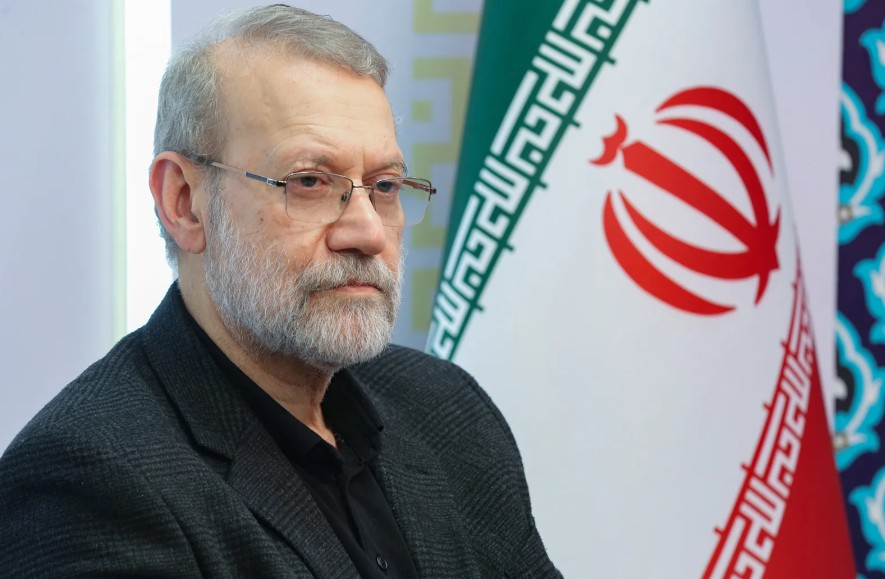
The reported assassination of Ali Larijani marks what could become one of the most consequential losses in Iran’s modern political history—arguably even more destabilizing than the death of Ali Khamenei at the onset of the ongoing conflict, if officially confirmed.
Larijani, who served as Secretary of Iran’s Supreme National Security Council (SNSC), was a central pillar in the country’s power architecture. His unique political strength lay in his rare ability to bridge divides—maintaining the trust of the powerful Islamic Revolutionary Guard Corps (IRGC) while simultaneously engaging moderates and navigating relationships with global powers such as China and Russia.
If verified, his killing—reportedly linked to Israel—would represent Iran’s most significant leadership loss since the 2020 U.S. assassination of Qassem Suleimani in Baghdad.
A Critical Target in Iran’s Power Structure
Larijani was long viewed as a prime target in any attempt to dismantle Iran’s leadership hierarchy. His deep institutional reach, political adaptability, and international credibility made him indispensable—both domestically and diplomatically.
Analysts argue that his removal signals a calculated effort to eliminate figures capable of facilitating negotiations or transitional governance. According to Iran expert Ellie Geranmayeh, Israeli Prime Minister Benjamin Netanyahu may be seeking to obstruct diplomatic pathways previously explored by former U.S. President Donald Trump, particularly those aimed at achieving a ceasefire or reopening talks with Tehran.
Larijani, notably, was considered one of the few Iranian figures with the political capital and international standing to lead such initiatives.
Collapse of a Potential Transitional Figure
His death effectively eliminates the possibility of an internal reformist or pragmatic transition figure within Iran’s ruling elite. Comparisons had been drawn to Delcy Rodríguez of Venezuela—a leader seen by Washington as pragmatic during crisis transitions.
With Larijani gone, questions now intensify over whether the U.S. has any viable internal allies within Iran’s political system. Donald Trump himself has acknowledged limited knowledge of alternative Iranian leadership figures, many of whom have either been sidelined or eliminated.
Meanwhile, opposition figure Reza Pahlavi remains unendorsed by Washington, as U.S. strategy appears to favor an internal successor rather than an exiled alternative.
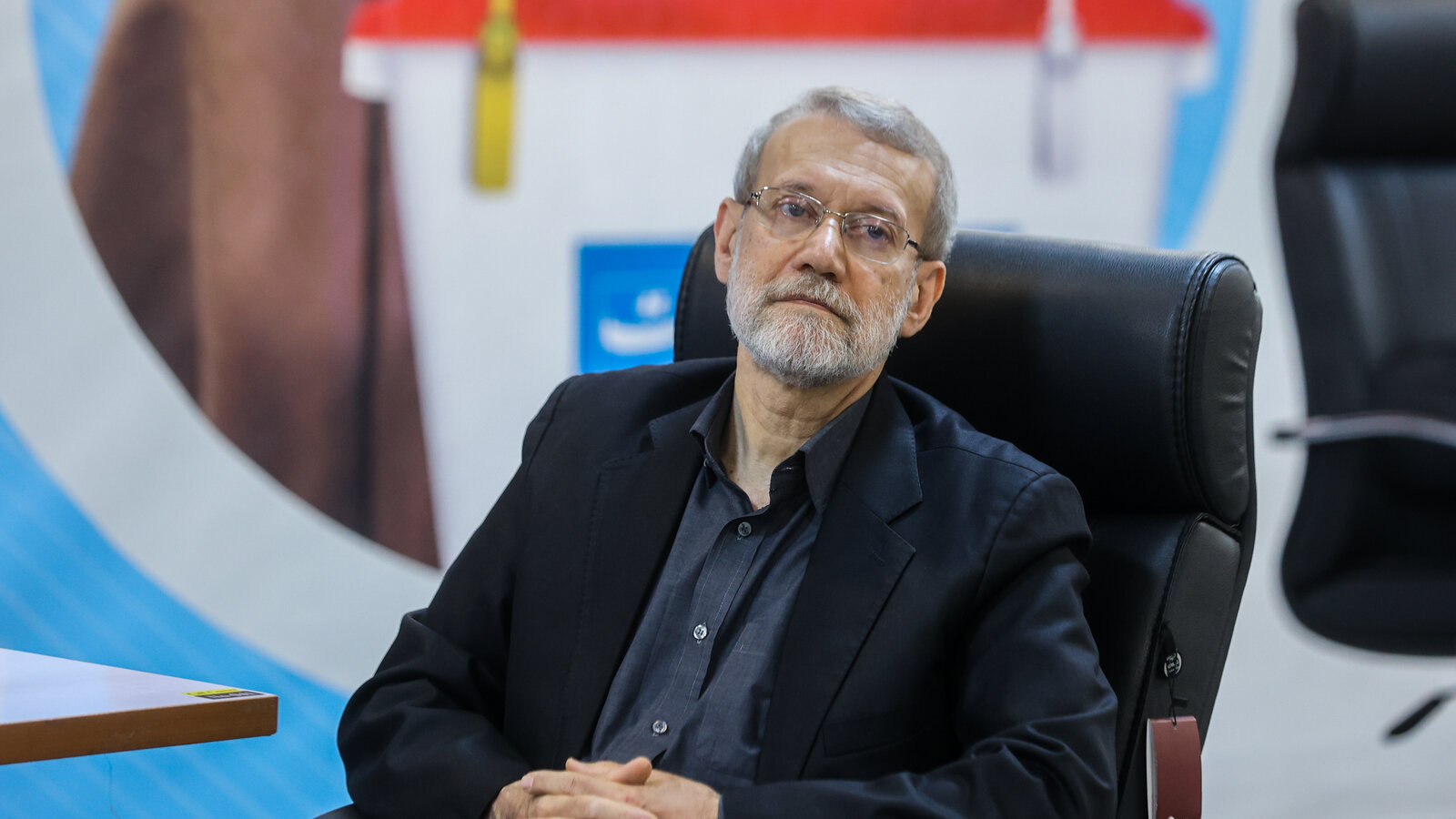
Power Struggles and Succession Politics
Before his death, Larijani was actively involved in efforts to influence Iran’s leadership succession. He opposed the rapid elevation of Mojtaba Khamenei, widely seen as his father’s likely successor.
Working alongside former president Hassan Rouhani, Larijani pushed to delay the Assembly of Experts’ decision, arguing that post-war uncertainties required a more cautious approach. His strategy aimed to preserve political flexibility and prevent a consolidation of power by hardline factions aligned with the IRGC.
Despite these efforts, once the transition became inevitable, Larijani publicly endorsed the process—demonstrating his characteristic pragmatism and commitment to institutional stability.
A Political Heavyweight with Global Reach
Over a decades-long career, Larijani occupied some of Iran’s most influential positions, including:
- Head of state broadcasting
- Speaker of Parliament (2008–2020)
- Secretary of the SNSC (multiple terms)
He played a supportive role in the 2015 nuclear agreement negotiations and had earlier attempted dialogue with the administration of George W. Bush.
More recently, following the 2025 Israel-U.S. strikes on Iran, Larijani returned to the political forefront. His appointment to the SNSC was widely seen as a strategic move to leverage his diplomatic experience and crisis management capabilities.
He also played a key role in shaping Iran’s regional posture—warning Gulf states that U.S. military bases on their soil could become legitimate targets in the event of further escalation.
Intellectual Depth and Political Adaptability
Beyond politics, Larijani was known as a cerebral figure with a background in mathematics and philosophy, having written extensively on Immanuel Kant. His writings sought to reconcile Islamic ideological frameworks with Western philosophical thought—an uncommon synthesis within Iran’s political elite.
Over time, his political stance evolved from hardline conservatism toward a more centrist alignment, bringing him into conflict with entrenched power blocs. This tension culminated in his disqualification from the 2021 and 2024 presidential elections by the Guardian Council—a move widely interpreted as an effort to clear the path for hardline leadership, including Ebrahim Raisi.
Strategic Vacuum and Uncertain Future
Larijani’s death creates a significant vacuum within Iran’s political and security apparatus. As a trusted intermediary between military and civilian institutions, and a stabilizing force amid factional tensions, his absence could accelerate hardliner dominance.
His role in assessing Iran’s preparedness following the recent 12-day war was expected to shape the country’s long-term defense posture. That legacy now remains incomplete.
The broader question facing Iran is whether it can regenerate a new generation of leaders capable of balancing ideological rigidity with strategic pragmatism—or whether continued attrition will further weaken its internal cohesion.
For now, the loss of Ali Larijani stands as a defining moment—one that may reshape Iran’s political trajectory far more profoundly than anticipated.
Join Our WhatsApp Channel
DEAR READER,
Good journalism costs a lot of money. Yet only good journalism can ensure the possibility of a good society, an accountable democracy, and a transparent government. For continued free access to the best investigative journalism in the country, we ask you to consider making modest support to this noble endeavor. By contributing to The Trumpet News, you are helping to sustain journalism of relevance and ensuring it remains free and available to all. Your donation is voluntary — please decide how much and how often you want to give.
For offline donations, email donations@thetrumpetngr.com or call +2347026891070:
You May Also Like This...