Are you accessing this website using an Android phone?
If yes, the stress is over, just click the below button to download and install our Android app and we will hence bring the news to your doorstep.

Tehran has received a dramatic U.S. proposal to end the raging Middle East war—but instead of signaling peace, the development has collided with fresh missile fire, deep mistrust, and rising global fears that the conflict is spiraling beyond control.
In a stunning twist, Iran confirmed it had been handed a sweeping 15-point plan from Washington aimed at halting weeks of devastating hostilities that have already claimed thousands of lives across Iran, Israel, and neighboring states. The proposal—reportedly delivered through intermediaries like Pakistan—demands a sweeping rollback of Iran’s nuclear ambitions, strict limits on its missile program, and a halt to its support for regional armed groups. In return, the United States is offering sanctions relief and support for a civilian nuclear program under international monitoring.
But even as the ink on the proposal barely dried, the battlefield told a very different story.
Iranian forces claimed they launched cruise missiles targeting a U.S. aircraft carrier in the Gulf, marking one of the most dangerous escalations yet in a war that has already drawn in multiple countries and threatened global oil routes. While U.S. officials have not confirmed the strike, the mere claim has sent shockwaves through diplomatic circles and raised fears of a direct, full-scale confrontation between Tehran and Washington.
The contradiction is stark: diplomacy on paper, confrontation in reality.
President Donald Trump has projected optimism, insisting that Iran is ready to make a deal and even suggesting Tehran could abandon nuclear weapons ambitions altogether. Yet Iranian officials have publicly ridiculed the entire process, dismissing Washington’s efforts as empty theatrics. One top military spokesperson bluntly declared that the U.S. is “negotiating with itself,” underscoring the deep mistrust poisoning any chance of immediate peace.
Behind the scenes, the proposal itself is as ambitious as it is controversial. Beyond nuclear restrictions, it includes reopening the critical Strait of Hormuz—a chokepoint for global oil shipments—and restoring stability to energy markets already rattled by weeks of volatility. In exchange, Iran is reportedly pushing back with its own demands, including reparations, the removal of U.S. military bases in the region, and freedom to maintain its missile capabilities—conditions Washington is unlikely to accept.
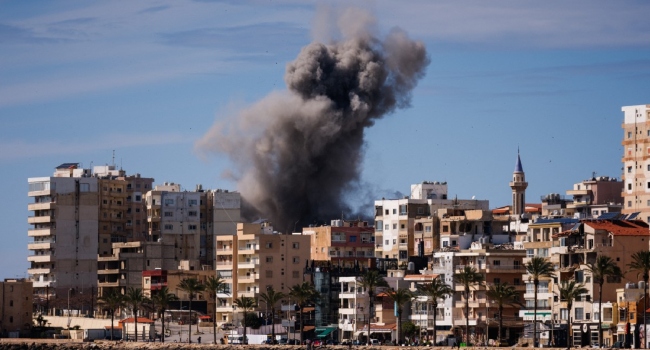
Meanwhile, the war continues to expand. U.S. troop deployments are increasing, Israeli airstrikes are intensifying across Iranian and Lebanese targets, and Iran’s retaliatory missile and drone attacks are spreading across the Gulf. Civilian casualties are mounting rapidly, with reports of over a thousand deaths in multiple countries and growing humanitarian concerns.
The roots of this crisis trace back to late February, when coordinated U.S.-Israeli strikes hit Iranian military and nuclear facilities, triggering a fierce and sustained retaliation from Tehran. Since then, the conflict has disrupted global trade, forced evacuations, and pushed oil markets into uncertainty, with the Strait of Hormuz once again at the center of geopolitical tension.
Now, the world watches a dangerous paradox unfold: a war intensifying even as peace plans circulate. Diplomats from Pakistan, Oman, Egypt, and Turkey are scrambling to bridge the divide, but the gap between both sides remains wide—and heavily armed.
For now, the message from Tehran is clear: talks may be on the table, but missiles are still in the air.
Join Our WhatsApp Channel
DEAR READER,
Good journalism costs a lot of money. Yet only good journalism can ensure the possibility of a good society, an accountable democracy, and a transparent government. For continued free access to the best investigative journalism in the country, we ask you to consider making modest support to this noble endeavor. By contributing to The Trumpet News, you are helping to sustain journalism of relevance and ensuring it remains free and available to all. Your donation is voluntary — please decide how much and how often you want to give.
For offline donations, email donations@thetrumpetngr.com or call +2347026891070:
You May Also Like This...