Are you accessing this website using an Android phone?
If yes, the stress is over, just click the below button to download and install our Android app and we will hence bring the news to your doorstep.

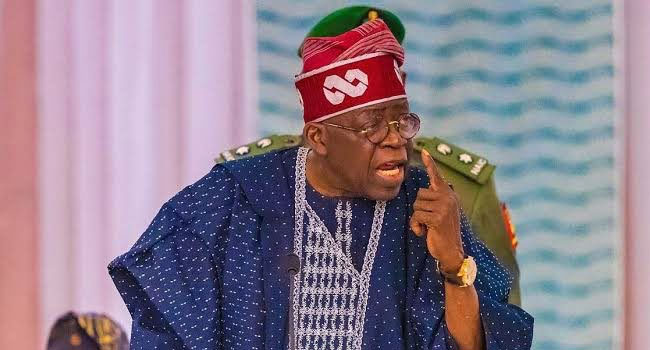
President Bola Ahmed Tinubu has thrown a bold spotlight on Nigeria’s economic struggles, declaring that decades-old colonial tax structures helped entrench poverty across the nation—and now, his administration is racing to rewrite that legacy.
Speaking in Abuja at the commissioning of the new Nigeria Revenue Service headquarters, Tinubu painted a stark picture of a fragmented system riddled with inconsistencies, multiple taxation layers, and outdated policies that stifled growth and weakened prosperity. According to him, the old framework didn’t just fail Nigerians—it actively held them back.
In his words, the inherited tax regime was a maze—complex, inefficient, and deeply disconnected from the realities of a modern economy. That system, rooted in colonial-era policies, created barriers for businesses, discouraged investment, and ultimately widened the gap between wealth and poverty.
But the presidency insists a new era has begun.
Tinubu revealed that sweeping tax reforms, now fully operational since January 2026, are designed to dismantle that broken structure and replace it with a streamlined, transparent, and people-focused system. The goal is clear: make Nigeria more competitive globally while ensuring fairness at home.
The reforms are part of a broader economic overhaul that has already seen major policy shifts—from subsidy removal to exchange rate adjustments—all aimed at stabilizing public finances and unlocking growth. Yet, these moves have come with immediate pain for many Nigerians, as inflation and living costs surged in recent years.
Still, the government is betting big on long-term gains.
Officials say the new tax regime will not only simplify compliance but also expand the revenue base, reduce leakages, and encourage both local and foreign investment. Early signals from revenue authorities suggest improvements in domestic revenue collection, hinting at what some insiders describe as a “fiscal reset” in motion.
At the same time, the administration is rolling out complementary measures—including planned cuts in import duties on essential goods—to ease pressure on households and businesses grappling with high costs.
Yet, not everyone is convinced. Critics warn that while the vision is ambitious, execution will be everything. Concerns linger over transparency, policy consistency, and whether ordinary Nigerians will truly feel the promised relief. The success of the reforms, analysts argue, hinges on trust—something past tax systems struggled to build.
For now, the message from the presidency is unmistakable: Nigeria’s economic future cannot be built on the foundations of its colonial past. The old system, Tinubu says, created poverty. The new one, he promises, will create opportunity.
Join Our WhatsApp Channel
DEAR READER,
Good journalism costs a lot of money. Yet only good journalism can ensure the possibility of a good society, an accountable democracy, and a transparent government. For continued free access to the best investigative journalism in the country, we ask you to consider making modest support to this noble endeavor. By contributing to The Trumpet News, you are helping to sustain journalism of relevance and ensuring it remains free and available to all. Your donation is voluntary — please decide how much and how often you want to give.
For offline donations, email donations@thetrumpetngr.com or call +2347026891070:
You May Also Like This...