Are you accessing this website using an Android phone?
If yes, the stress is over, just click the below button to download and install our Android app and we will hence bring the news to your doorstep.

In a high-stakes diplomatic move that could reshape Asia’s economic and political balance, Xi Jinping and Tô Lâm have sealed a fresh wave of cooperation agreements, signaling a deepening alliance between two powerful communist neighbors navigating an increasingly complex global order.
The landmark meeting in Beijing—marking Tô Lâm’s first foreign trip since assuming the presidency—was more than ceremonial. It was a calculated show of unity. Standing side by side at the Great Hall of the People, both leaders oversaw the signing of multiple agreements spanning critical sectors, including trade, infrastructure, technology, supply chains, and even public security.
Behind the formal handshakes lies a broader strategic play. China and Vietnam are tightening coordination across economic and political fronts, with Beijing pushing for stronger alignment in development strategies and expanded infrastructure connectivity—an area central to China’s wider regional ambitions.
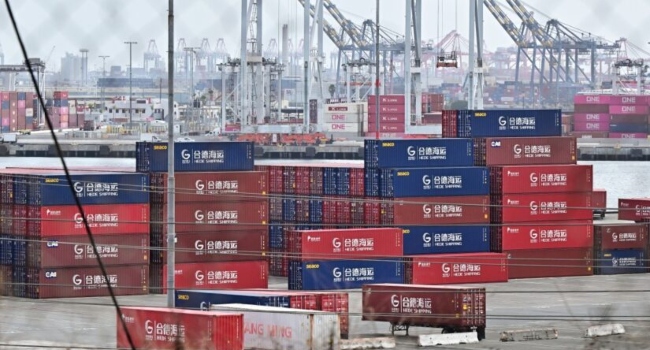
For Vietnam, the stakes are delicate. While China remains its largest trading partner and a key economic engine, Hanoi is simultaneously balancing relations with the United States, its biggest export market. This dual-track diplomacy puts Vietnam in a unique—and precarious—position, walking a tightrope between two global giants.
Yet, the cooperation push comes with underlying tensions. Long-standing territorial disputes in the South China Sea still cast a shadow over relations. Despite this, both nations appear determined to keep economic collaboration moving forward, even as geopolitical friction simmers beneath the surface.
The agreements signed this week go beyond economics. They touch on governance, technology, and even internal security frameworks—areas where Vietnam has increasingly drawn closer to China’s model in recent years. Observers say this signals not just partnership, but convergence.
Zooming out, the timing is no coincidence. With global trade tensions rising and power blocs shifting, China is aggressively strengthening ties across Asia, positioning itself as a dominant force in regional cooperation. Vietnam, on the other hand, is leveraging these ties to boost growth while maintaining strategic independence—a balancing act that could define its future.
What emerges from Beijing is clear: this is no routine diplomatic visit. It is a bold recalibration of alliances, where economics, politics, and power intersect. And as China and Vietnam draw closer, the ripple effects may extend far beyond their borders, reshaping the dynamics of Southeast Asia and the wider world.
Join Our WhatsApp Channel
DEAR READER,
Good journalism costs a lot of money. Yet only good journalism can ensure the possibility of a good society, an accountable democracy, and a transparent government. For continued free access to the best investigative journalism in the country, we ask you to consider making modest support to this noble endeavor. By contributing to The Trumpet News, you are helping to sustain journalism of relevance and ensuring it remains free and available to all. Your donation is voluntary — please decide how much and how often you want to give.
For offline donations, email donations@thetrumpetngr.com or call +2347026891070:
You May Also Like This...